
From homemakers to businesswomen.
Mayuri Vishwas Patade and Renuka Kadam were already cooking for a living — tiffins, laddus, and Diwali faral out of a home kitchen. What they didn’t have was a business. This is what changed when they got one.
Before
Hard work was never the missing piece.
Mayuri and Renuka were running a small home-based kitchen — daily tiffins, laddus, and festival faral — and they were working hard at it. The gap was elsewhere: no business plan, no licences, no costing, no way to know whether a big order would actually make money. Effort without structure has a ceiling, and theirs sat at roughly ₹12,000 a month.
The Mahila Udyogini Program starts exactly there. Not with capital, and not with encouragement alone, but with the unglamorous mechanics of running a food business: planning, the licences you’re legally required to hold, health and hygiene standards, holding quality steady as volume rises, and reading your own profit and loss honestly.
per month, from home-based tiffins and festival orders
per month, plus a business loan being repaid on schedule
What the training changed
Five things nobody had taught them.
“After joining the Mahila Udyogini Program, our approach towards business changed completely,” Mayuri writes. The curriculum is deliberately practical — every module maps to a decision they now make weekly.
Business planning
Deciding what to make, for whom, at what volume — before the order arrives, not during it.
Licences & compliance
Which registrations a food business legally needs, and how to get them in order.
Health & hygiene
The standards that let a customer trust a kitchen they’ve never seen.
Quality at volume
Keeping the hundredth plate identical to the first — the hardest part of scaling food.
Profit & loss
Knowing, per order, whether the work paid. This is what turned a livelihood into a business.
Finding customers
WhatsApp, Facebook, Instagram, and word of mouth, used deliberately instead of hopefully.
Alongside the modules there was a person. Mansi Madam’s continuous guidance — checking in, correcting course, pushing them toward orders they’d have talked themselves out of — is the part of the program that doesn’t fit in a curriculum document, and the part Mayuri names first.
Key achievements
Two orders that proved it.
NSS Camp, Dhanukar College
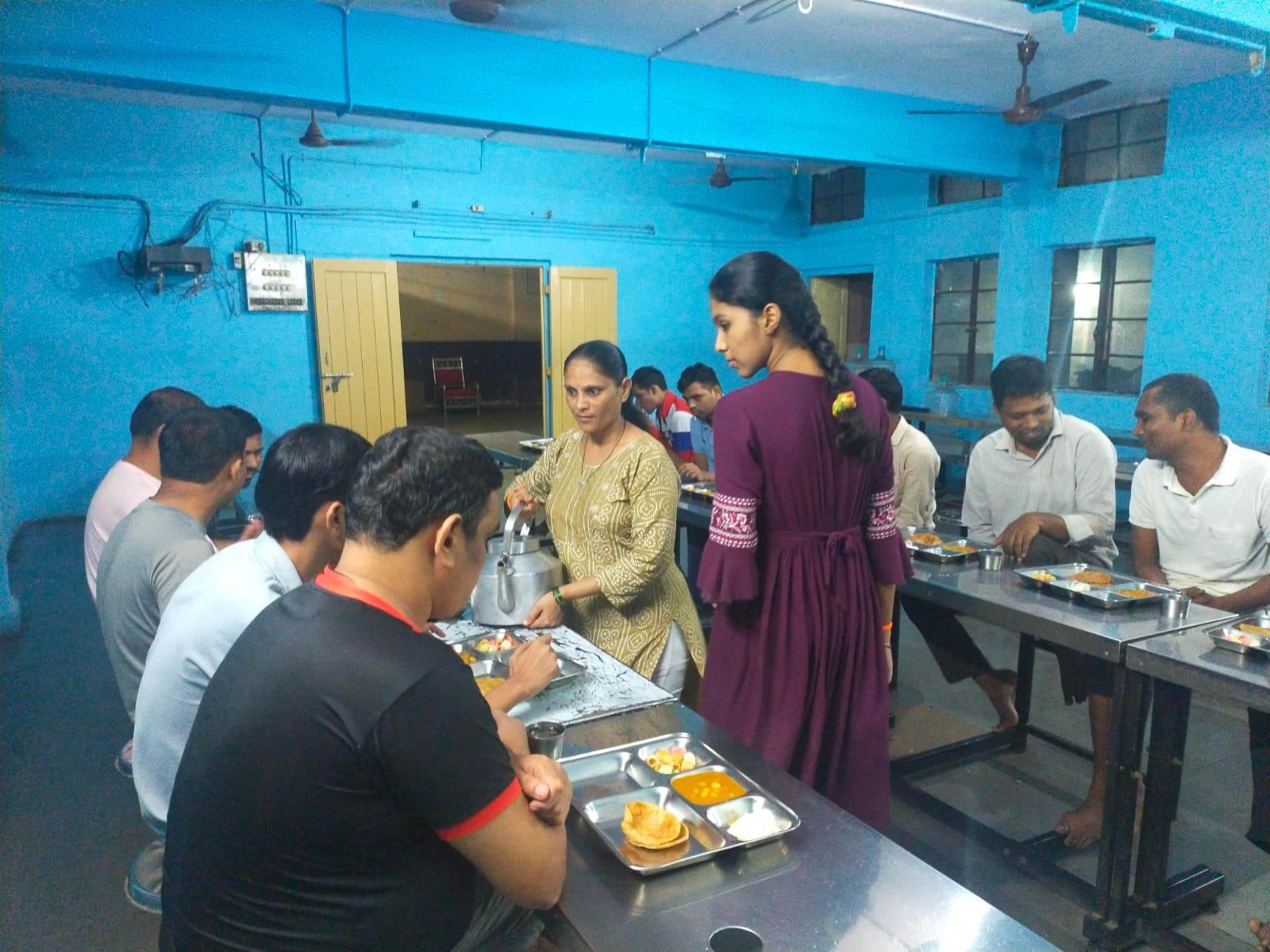
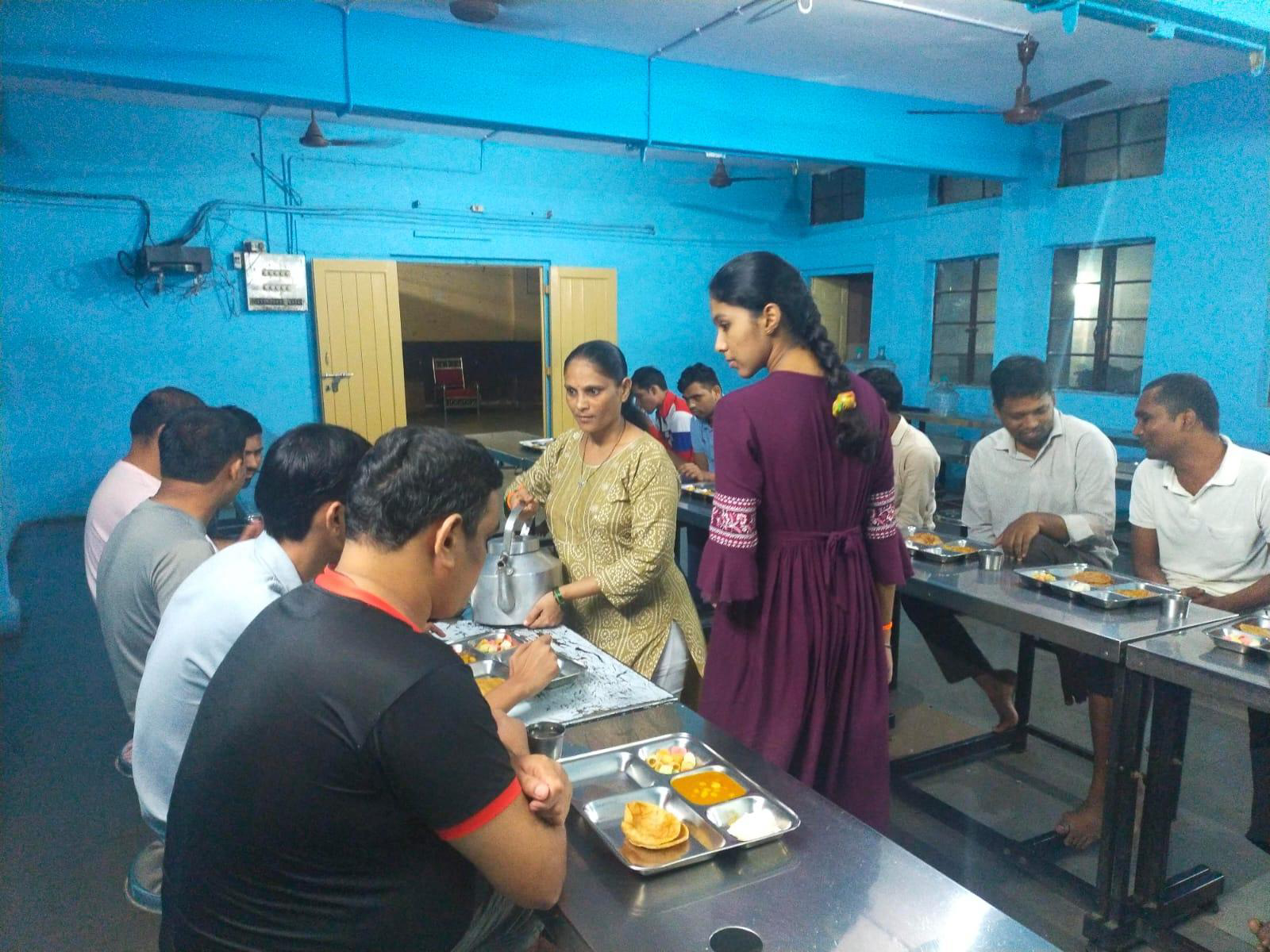
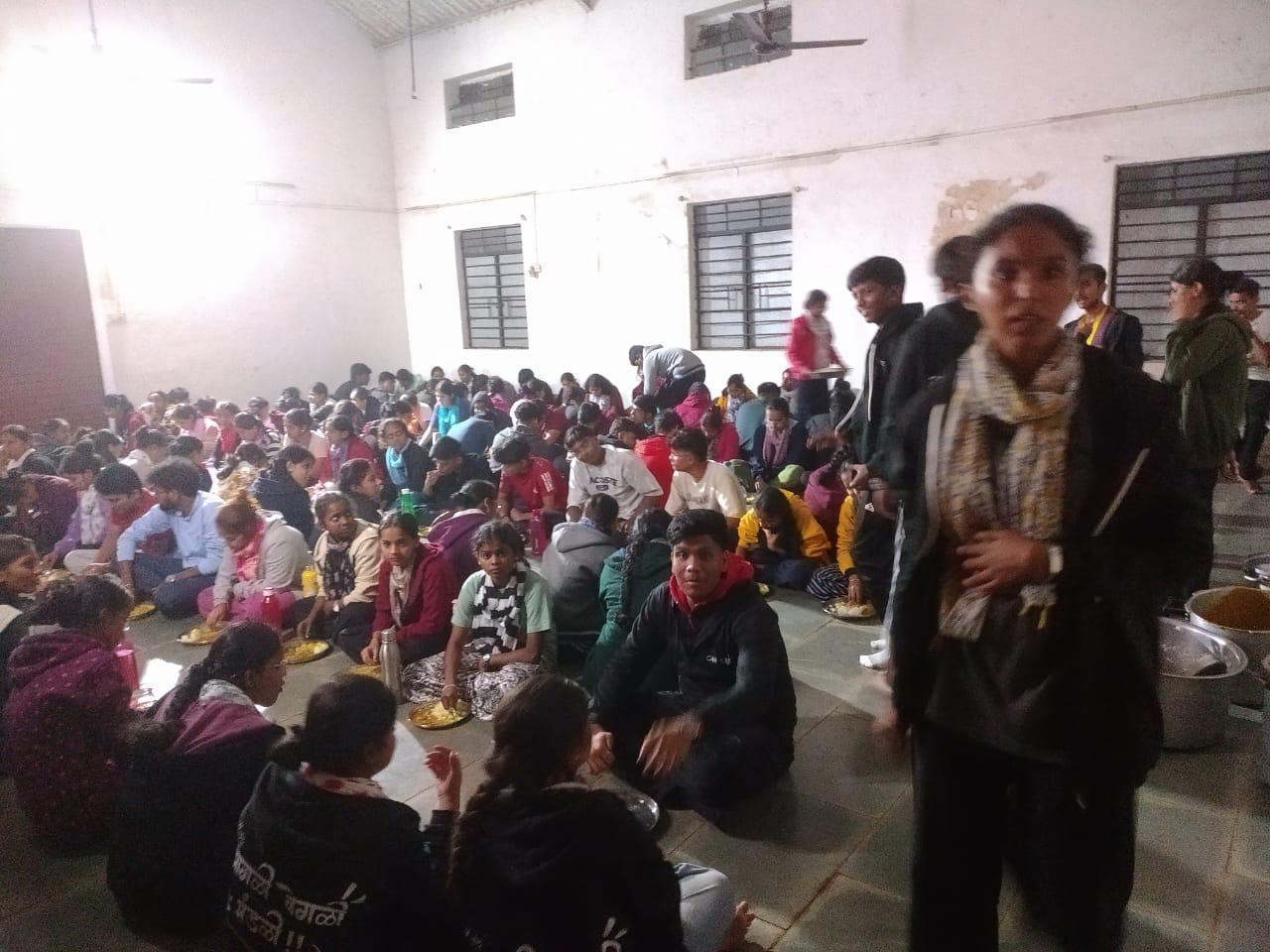
Lunch and snacks for three to four days at the camp in Safale. Their first taste of a genuinely large order: quantity cooking, hygiene under pressure, and a timetable set by someone else.
5,000 karanjis for Diwali
One order, five thousand pieces, one festival window. Delivering it in full was the moment the business stopped feeling provisional — and the moment word of mouth took over.
What’s next
A brand, and a bigger market.
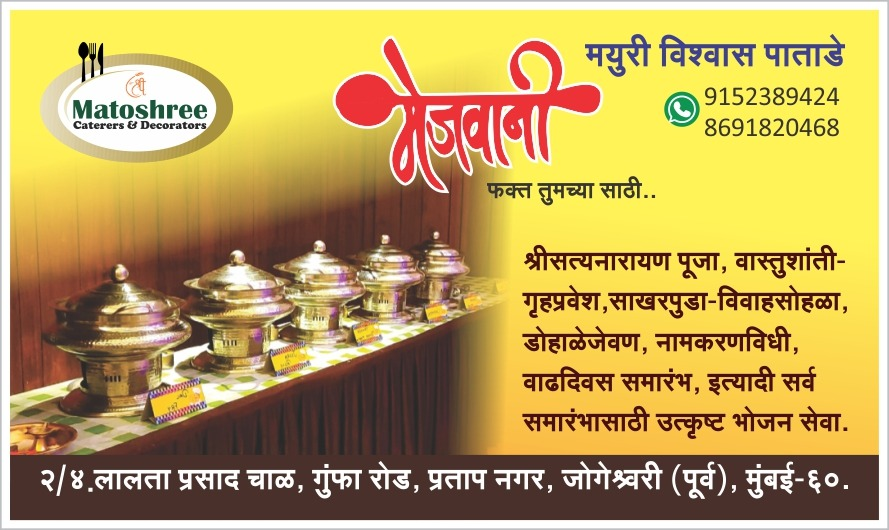
Mayuri and Renuka now take orders for satyanarayan pujas, housewarmings, engagements, naming ceremonies, and birthdays — the full calendar of occasions a neighbourhood caterer lives on. The goal they name for themselves is bigger: build their own brand and take their products to a larger market.
Earlier, our activities were limited to our home.
Today, we have our own identity.
Earlier, we were homemakers; today, we are businesswomen. The Mahila Udyogini Program not only taught us how to run the business but also gave us the confidence to believe in ourselves and move forward.— Mayuri Vishwas Patade & Renuka Kadam
The income figure is the easiest thing to report and the least interesting thing about this story. The change Mayuri puts first is confidence — the ability to sit across from a customer, quote a price, decide on a large order, and hold her ground. That is what a livelihood program is actually for.
Mahila Udyogini trains women running micro-enterprises in planning, compliance, hygiene, costing, and customer outreach — then stays with them through their first large orders. See our Livelihood projects →